


“Pratt”ling about coastal groundwater
Coastal Hydrogeology
Terrestrial Groundwater Drives Coastal Ecosystem Shifts
Funding: NSF EAR 2012484
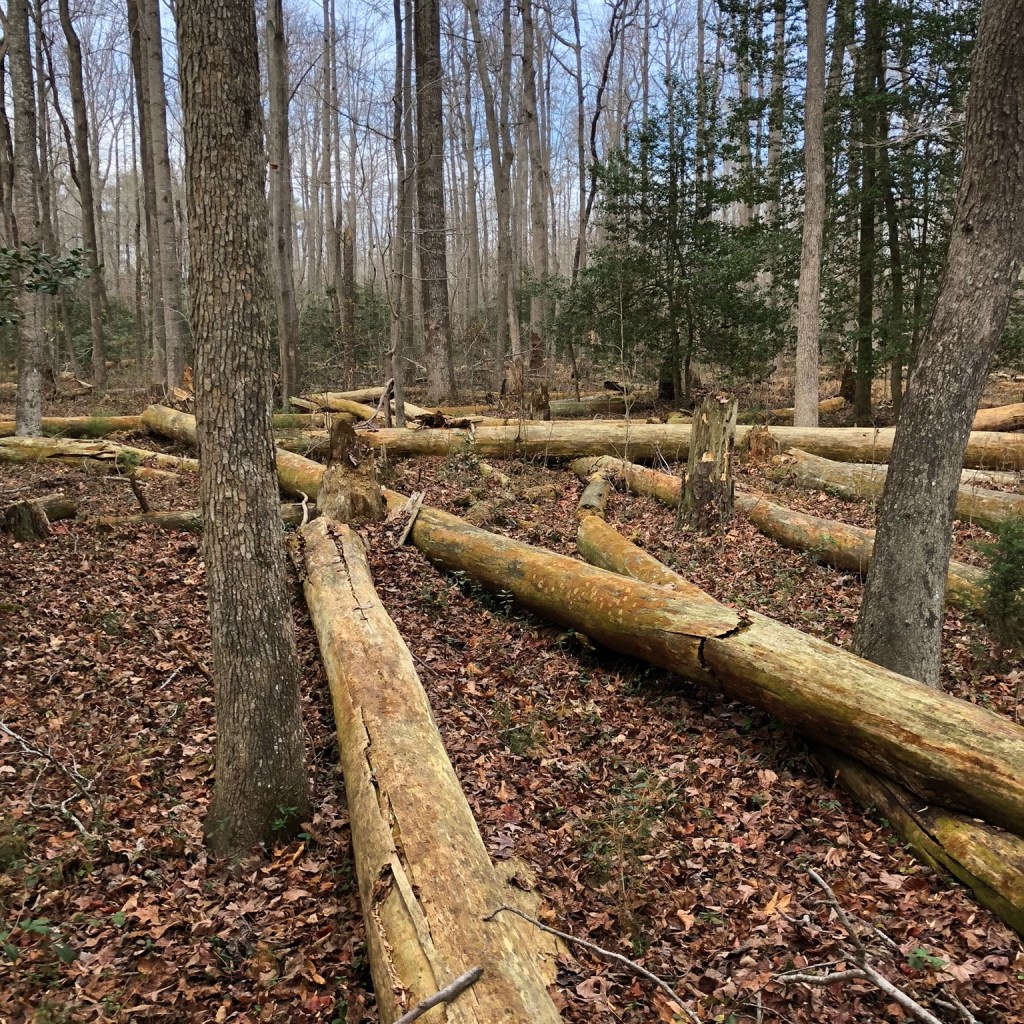
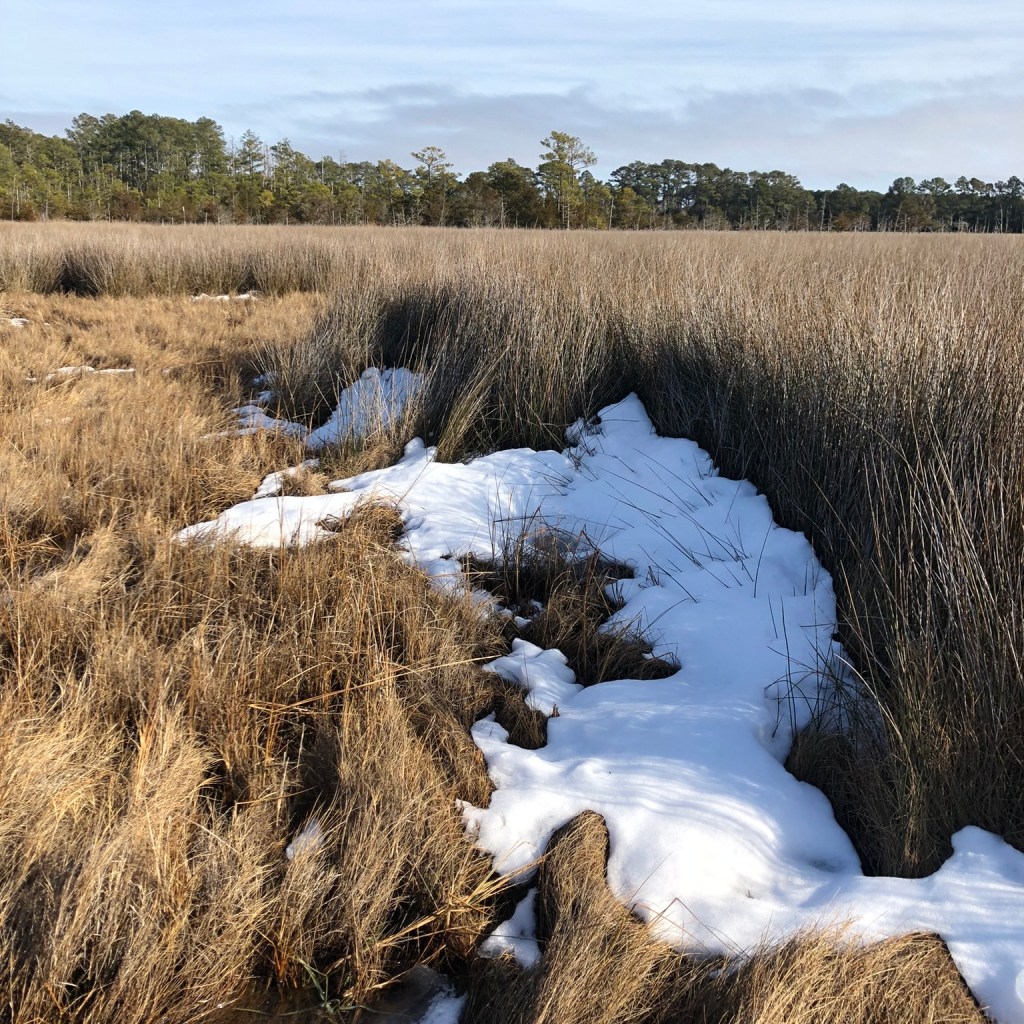
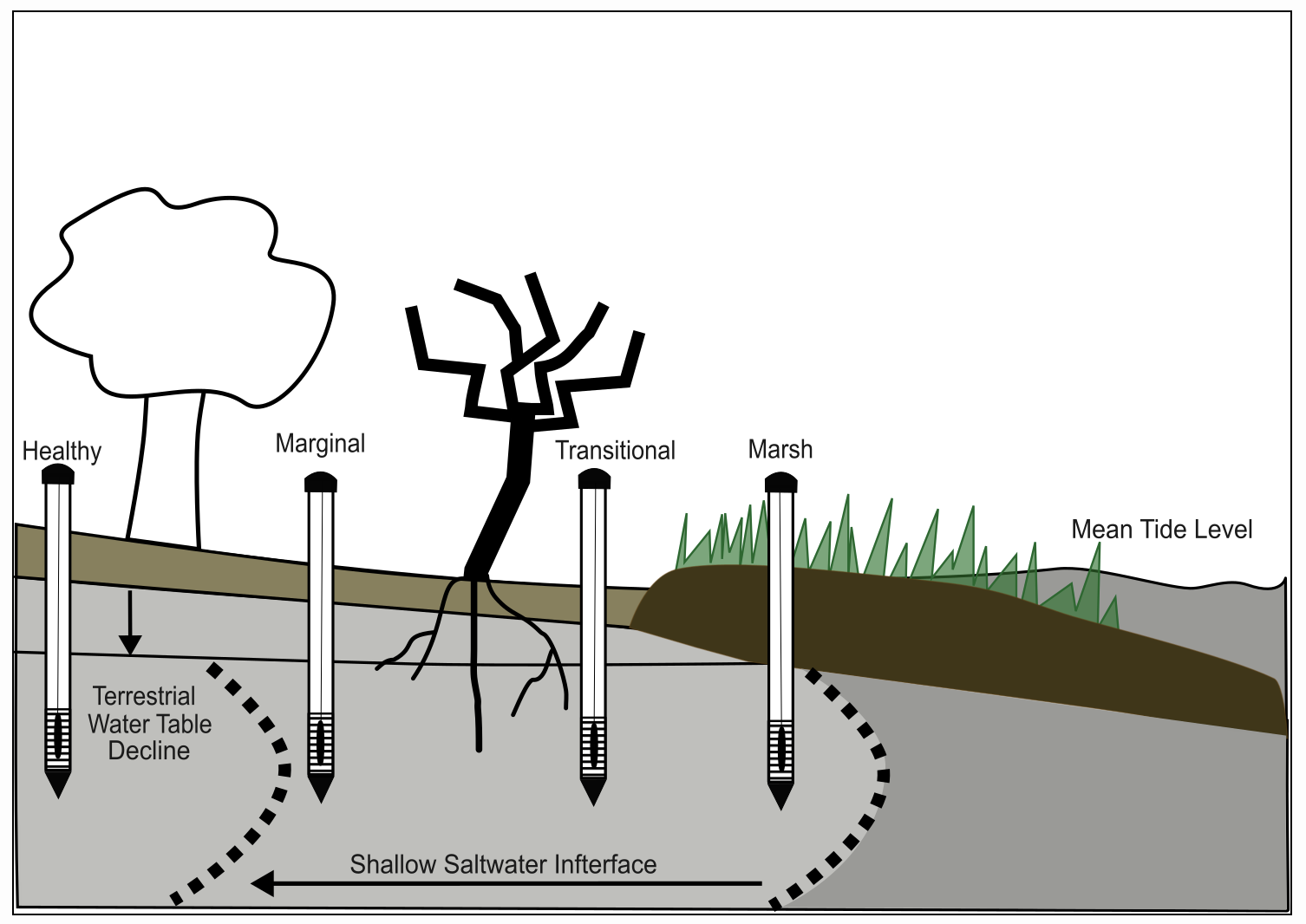
Data from across the Delmarva Peninsula, USA show that mild droughts drive a reversal in hydraulic gradients and cause shallow saline groundwater to push inland from coastal wetlands to uplands. Drought-induced salinization on seasonal timescales may be more detrimental to freshwater ecosystems than the slow creep of sea level rise or overwash from episodic storm surges. Droughts are an underrepresented driver of coastal ecosystem shifts that could become increasingly significant with climate change.
Manuscript: https://doi.org/10.1029/2025GL116251
Untangling Dynamic Drivers of Salt Marsh Migration
Funding: NSF EAR 2012484
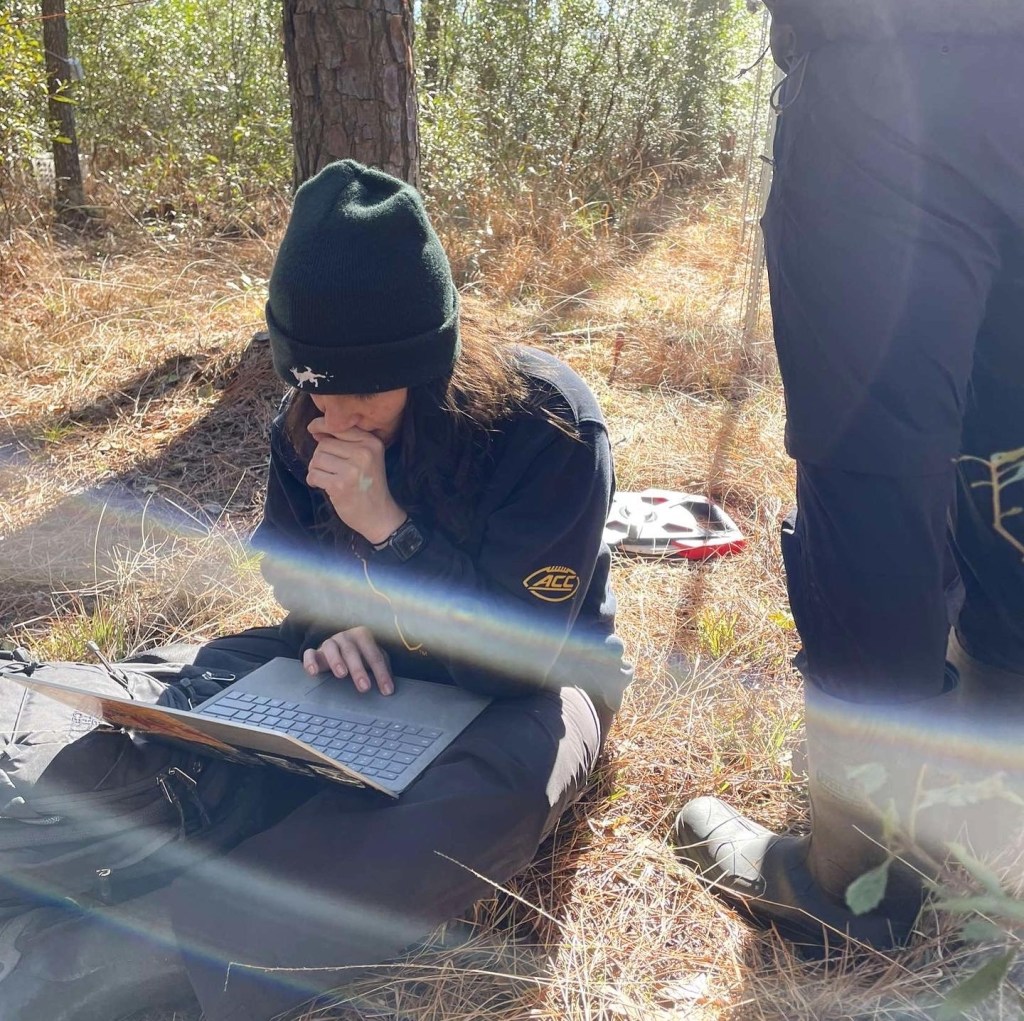
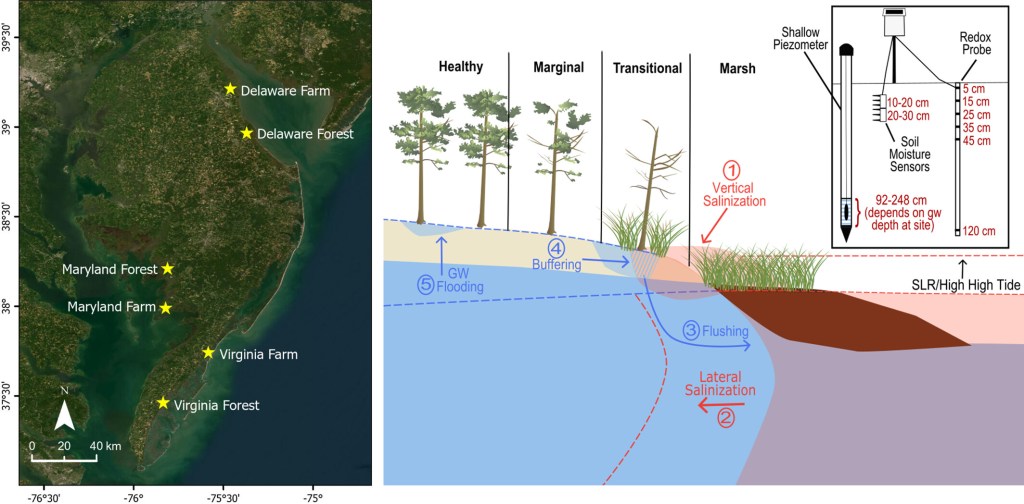
High-resolution sensor networks allow us to untangle the effects of individual and interacting processes, including vertical salinization, lateral salinization, freshwater flushing, freshwater buffering, and persistent saturation events, across a range of timescales. By leveraging high-resolution hydrological observations, shallow cores, vegetation surveys, and a regionally diverse study design, we aim to improve understanding of the drivers of coastal marsh transgression.
Manuscript: https://doi/10.1029/2026WR044042
In the Works:
Antecedent Hydrological Conditions as the Primary Control on Surge Salinization
Funding: NSF EAR 2012484
We developed a 2D site-informed HydroGeoSphere model of a marsh-to-upland transect to investigate the buffering capacity of the terrestrial groundwater table during surge events. The model simulates both seaside forcings (surges) and terrestrial forcings (drought and rain events) to evaluate the relative importance of water table height and the sequence of pertubations on salinization extent. Together, the field data and modeling results improve our understanding of how press, pulse, intermediate, and interacting drivers contribute to saltwater intrusion into coastal ecosystems.
Coastal Urban Water Infrastructure: Future Vulnerabilities
Image: Carolyn Voter
Funding: DOD ESTCP NH23-7762
This project will develop an integrated modeling toolbox to assess how extreme weather events and climate change threaten water infrastructure at critical U.S. military installations.
 Dannielle Pratt